A reference manual for curious builders
Making
Software
A visual tour of the hardware, mathematics and hidden systems underneath everyday software.
Explore all 32 chapters →
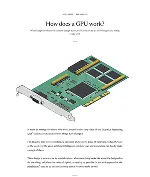
Look beneath the interface.
Touchscreens, colour spaces, fonts, GPUs, compression and networks all feel simple because layers of engineering keep their complexity out of sight.
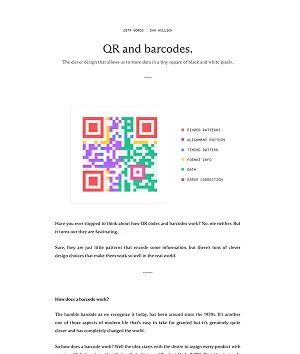
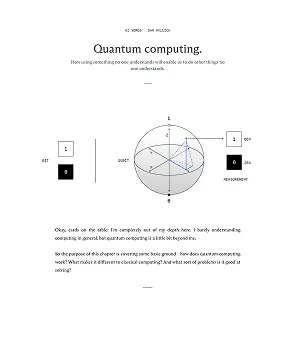
This collection opens those layers. Each chapter uses diagrams and plain language to connect what appears on screen with the physical and mathematical systems underneath.
Table of Contents.
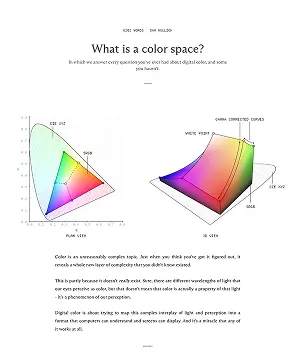
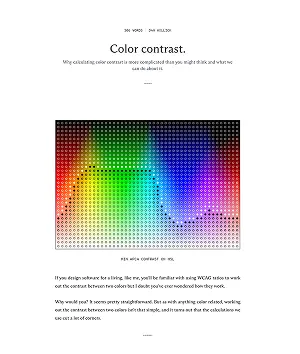
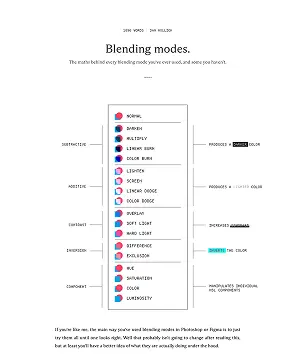
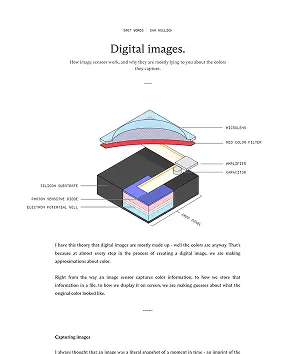
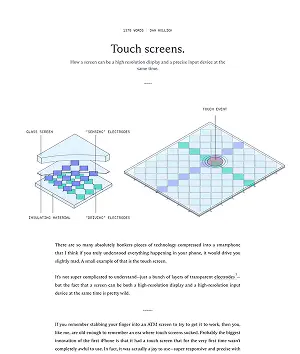
v1.01. Pixels and Color
The physical and mathematical constraints that turn electrical signals into visible colour and interactive pixels.
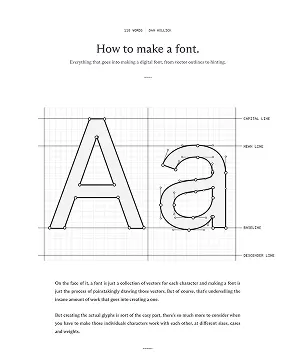
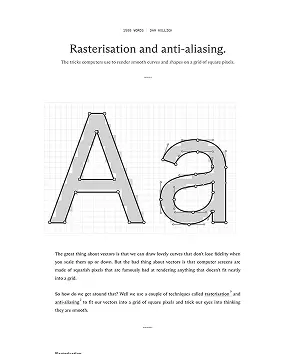
2. Fonts and Vectors
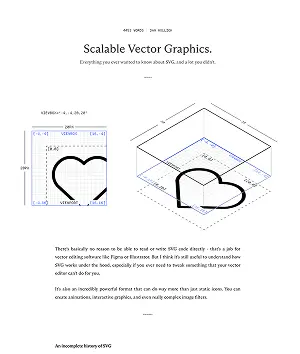
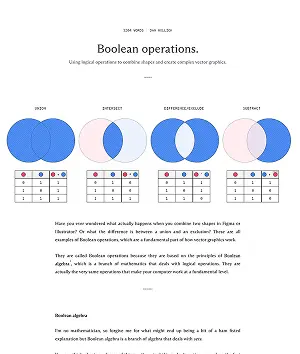
How smooth mathematical shapes become paths, letterforms, icons and finally pixels on a square grid.
3. 3D and Graphics
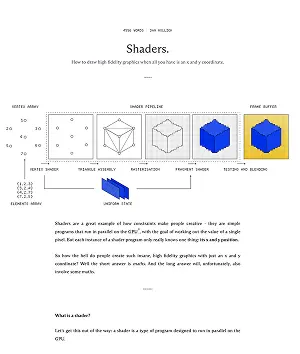
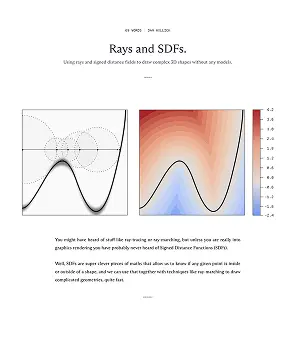
The parallel hardware and mathematical shortcuts that draw flat images of convincing three-dimensional worlds.
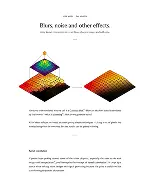
4. AI and ML
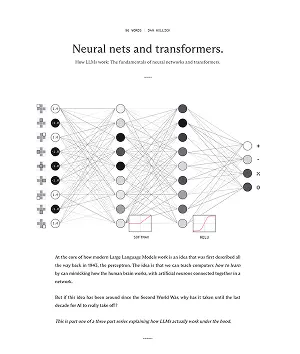
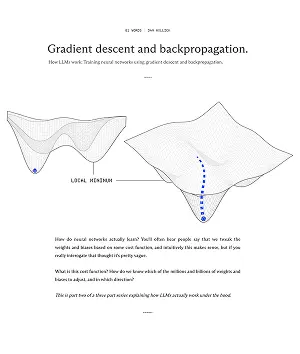
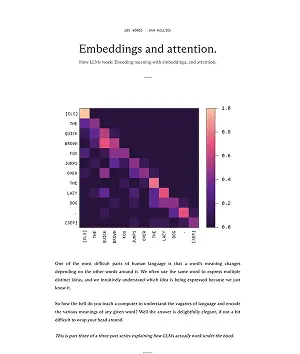
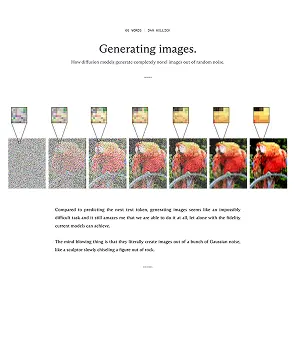
How learned numerical representations turn examples into predictions, generated language and synthetic images.
5. Data and Compression
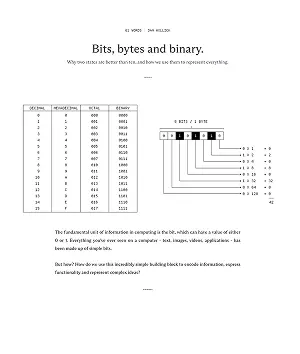
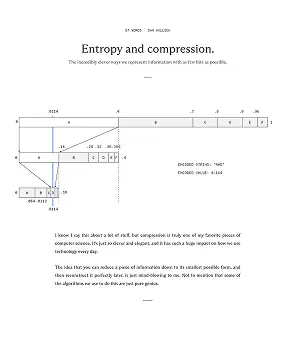
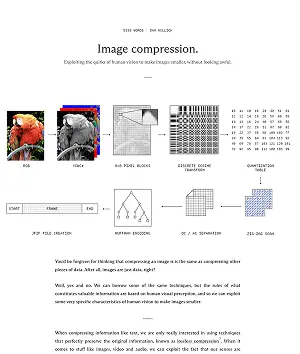
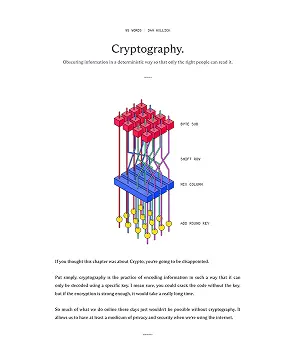
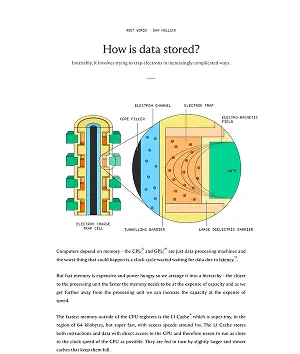
How software represents information with bits, removes redundancy and stores durable states in physical materials.
6. Networking and The Web
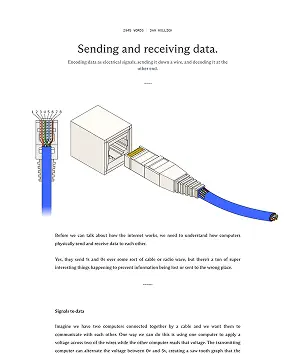
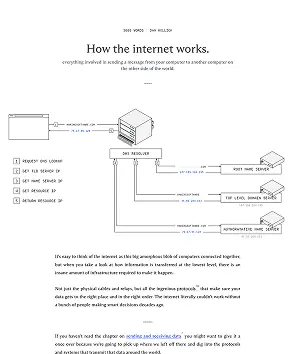
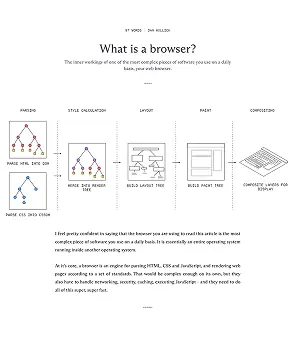
The signals, packet rules and browser machinery that move information between machines and turn it into interfaces.
7. Compilers and Interpreters
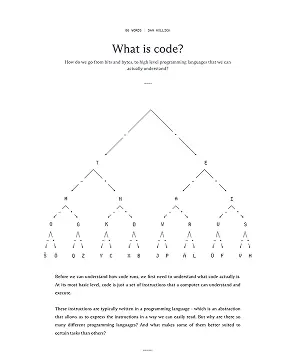
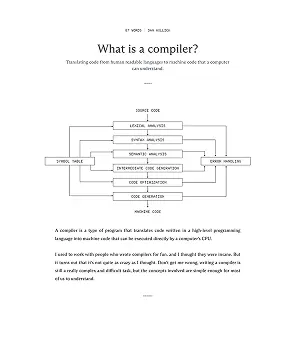
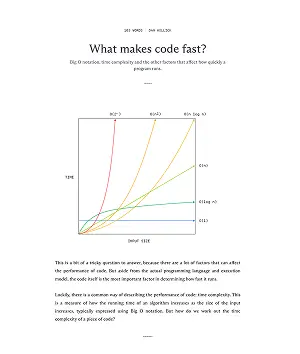
What source code means, how languages translate human intent, and why some programs execute faster than others.
8. Misc
Ingenious technical ideas that resist a tidy category but reward a closer look.